
 What is UAVSAR?
 Search for Data
 View Deployments
Last Flight Flown: PLAN_26030 (Jun 13, 2026)
L-band. Location: Texas
L-band. Location: Texas
Last Image Released:
Pacaya_31712 (PolSAR)
L-band. Acquired May 31, 2026
Pacaya-Samiria National Park, Peru
L-band. Acquired May 31, 2026
Pacaya-Samiria National Park, Peru


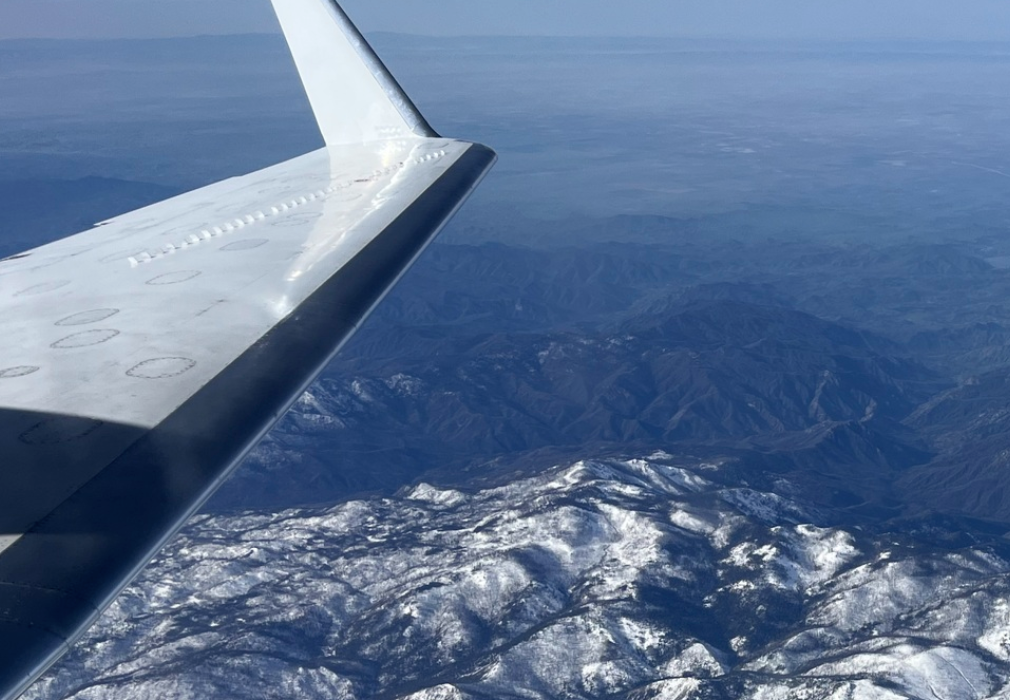
US Embassy Welcomes NASA Aircraft and Scientists to Panama
The United States Embassy in Panama welcomes NASA's Gulfstream C-20A research aircraft and team of scientists visiting today through May 9 as part of a science campaign to study tropical biodiversity UAVSAR observations advance snow monitoring
SnowEx campaign results enable high-resolution snowpack monitoring with the NISAR satellite. NASA Uses Advanced Radar to Track Groundwater in California
Mapping water recharge signatures with interferometric SAR
The United States Embassy in Panama welcomes NASA's Gulfstream C-20A research aircraft and team of scientists visiting today through May 9 as part of a science campaign to study tropical biodiversity UAVSAR observations advance snow monitoring
SnowEx campaign results enable high-resolution snowpack monitoring with the NISAR satellite. NASA Uses Advanced Radar to Track Groundwater in California
Mapping water recharge signatures with interferometric SAR
Science & Applications
NewsCalendar
Featured Articles
Deployments
Applications
Publications
Workshops
Team Profile
Flight Request Instructions
Documents
Technology
UAVSAR-LUAVSAR-P
UAVSAR-Ka
Calibration
Aircraft
Processing
Education
What is UAVSAR?UAVSAR Operations
Postcards
How We Became Radar Scientists/Engineers
Lesson Plans
Image Gallery
Tools
Flight PlanningData Search
Track NASA G3
Flight Search
Related Links
Contact Us